
Acquiring high-quality Hazmat Suits from reliable Hazmat Suits Manufacturers is just the first step. To guarantee ongoing safety, understanding the correct procedures for donning, doffing, and especially the Disposal Hazmat Suits is critical. Improper handling can pose significant risks.
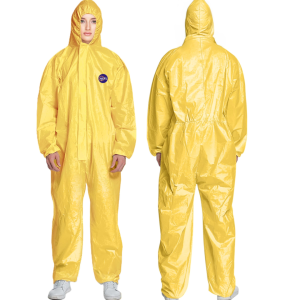
The Importance of Training:
Proper training is absolutely essential to ensure that even the best Hazmat Suits in South Africa provide effective protection. Without adequate knowledge and practice, even the highest-quality suits can fail to protect workers from hazardous exposures. Misuse or improper handling of these suits can result in contamination, serious health risks, and even life-threatening situations. Workers must understand not just the basics of wearing a Hazmat suit, but also the critical nuances of how the suit functions and its limitations. Training programs should be comprehensive, covering every critical step in detail—from correctly donning (putting on) and doffing (taking off) the suit to understanding the specific risks associated with various hazardous environments.
Training must also emphasize the importance of pairing Hazmat suits with additional personal protective equipment (PPE) such as gloves, boots, and respiratory gear. The type of PPE used should align with the nature of the hazard, whether it involves chemicals, biological agents, or radioactive materials. Hands-on practice is invaluable—workers need to perform these procedures under realistic conditions to build confidence, muscle memory, and familiarity with emergency protocols. This is especially crucial in high-stress environments where every second counts.
Regular refresher courses are equally important to keep workers up-to-date on the latest safety protocols, advancements in equipment, and emerging risks. These courses help reinforce proper techniques and ensure that workers remain vigilant and prepared. It’s not just about wearing the suit—it’s about wearing it the right way, every time, to ensure consistent safety and effectiveness in protecting against hazards.
Pre-Use Checks:
Routine inspections are non-negotiable when it comes to maintaining the safety and functionality of protective gear. Before every use, workers or safety supervisors must carefully inspect the Hazmat suit for any signs of damage or wear. Tears, punctures, worn seals, or even minor abrasions can compromise the suit’s ability to protect against hazardous materials, potentially exposing the wearer to serious risks. High-stress areas, such as seams, zippers, and closures, should be given extra attention during inspections, as these are more prone to wear and tear.
For reusable suits, it is essential to verify that the suit has been properly decontaminated, sanitized, and stored since its last use. Any residual contaminants left on the suit from prior usage could pose a danger to the next wearer. Disposable suits, on the other hand, should remain sealed in their original packaging until needed. Inspect the packaging to ensure it is intact and free from any visible damage, as even a small tear in the package could compromise the suit’s integrity.
Taking a few extra minutes to perform thorough inspections can mean the difference between effective protection and dangerous exposure to hazardous materials. These routine checks should become an ingrained habit for all workers handling hazardous substances, with clear protocols in place to address any defects or concerns identified during the inspection process.
Safe Doffing Procedures:
Removing a contaminated Hazmat Suit without proper precautions can be just as dangerous as not wearing one at all. Safe doffing procedures are critical to avoid secondary exposure to harmful substances, which can occur if contaminants from the suit come into contact with the skin or clothing underneath. Workers must be trained to follow a meticulous step-by-step process for doffing, starting with initial decontamination.
For example, rinsing the suit with an appropriate decontamination solution or using a specially designed decontamination shower can help neutralize contaminants on the suit’s surface. This crucial step minimizes the risk of transferring hazardous substances during removal. The suit should then be removed slowly and methodically, ensuring there is no contact between the contaminated exterior and the worker’s body. Gloves, boots, and other protective gear should be removed in a specific order, as outlined in the safety protocols, to further reduce the chances of cross-contamination.
Supervisors or safety officers should oversee the doffing process to ensure it is carried out correctly and to monitor for any potential errors or areas where contamination could occur. Additionally, workers should regularly receive refresher training on doffing techniques, ensuring they remain prepared for emergency situations where quick and safe removal of protective gear is essential. Properly removing the suit is a critical step in ensuring worker safety and preventing the spread of hazardous materials to others or the environment.
Disposal Hazmat Suits: A Critical Step:
Disposal procedures for Hazmat suits must always be tailored to the type of contaminant encountered. A one-size-fits-all approach is not sufficient, as different hazards require specific protocols to ensure safety and compliance. For example, suits exposed to biological hazards, such as infectious agents, may need to be sterilized through autoclaving or incinerated to completely neutralize the threat. Suits contaminated with chemical or radioactive materials, on the other hand, require specialized handling processes to avoid environmental contamination or harm to workers involved in the disposal process.
It is crucial to adhere to local, national, and international hazardous waste regulations to ensure proper and compliant disposal practices. Failure to do so can result in significant risks, not only to the person discarding the suit but also to the environment and the broader community. For highly contaminated suits, consulting specialized waste management companies with expertise in hazardous materials is strongly recommended. These companies have the tools, knowledge, and facilities to safely transport, treat, and dispose of contaminated suits while minimizing environmental impact.
Improper disposal can have far-reaching consequences, from contaminating ecosystems to creating long-term health risks for waste management workers. Ethical and responsible disposal practices are just as important as wearing the suit itself, reducing risks for everyone involved and supporting a safer, healthier environment.
Storage and Maintenance:
Proper storage and maintenance are essential for extending the lifespan of reusable Hazmat Suits and ensuring their reliability when called upon in high-risk situations. Suits should be stored in clean, dry, and temperature-controlled environments to prevent material degradation. Exposure to direct sunlight, moisture, or harsh chemicals can weaken the suit over time, reducing its effectiveness and compromising worker safety.
Reusable suits should be cleaned and sanitized according to the manufacturer’s guidelines after each use. This process removes contaminants and ensures the suit maintains its protective integrity. Regular inspections of stored suits are equally important to check for signs of wear, damage, or material fatigue, ensuring they remain ready for use when needed. Any suits found to be damaged or compromised should be promptly repaired or replaced to prevent potential risks.
For disposable suits, proper storage involves keeping them sealed in their original packaging until the moment they are required. This guarantees that their protective qualities are intact and uncompromised. Organizations that regularly rely on Hazmat suits should create and adhere to a routine maintenance schedule, ensuring all suits—whether reusable or disposable—are in optimal condition and ready to provide maximum protection when it matters most.
Taking these steps to properly store, maintain, and manage Hazmat suits not only extends their lifespan but also ensures that workers can rely on them in critical situations.
The lifecycle of Hazmat Suits extends far beyond just purchasing them—it’s a process that involves careful consideration at every stage. Adhering to strict guidelines for their use, regular maintenance, and especially proper disposal of Hazmat Suits, is critical to ensuring their effectiveness. These vital pieces of personal protective equipment are designed to shield individuals from hazardous materials, but improper handling or neglect in their care can compromise safety and increase risks. Proper disposal is particularly important, as it prevents potential contamination and protects the environment. By following these guidelines, Hazmat Suits can continue to serve their crucial purpose safely and effectively, safeguarding both people and the planet.